Published 27 January 2026
Best 6 Products That Help Heal Minor Burns
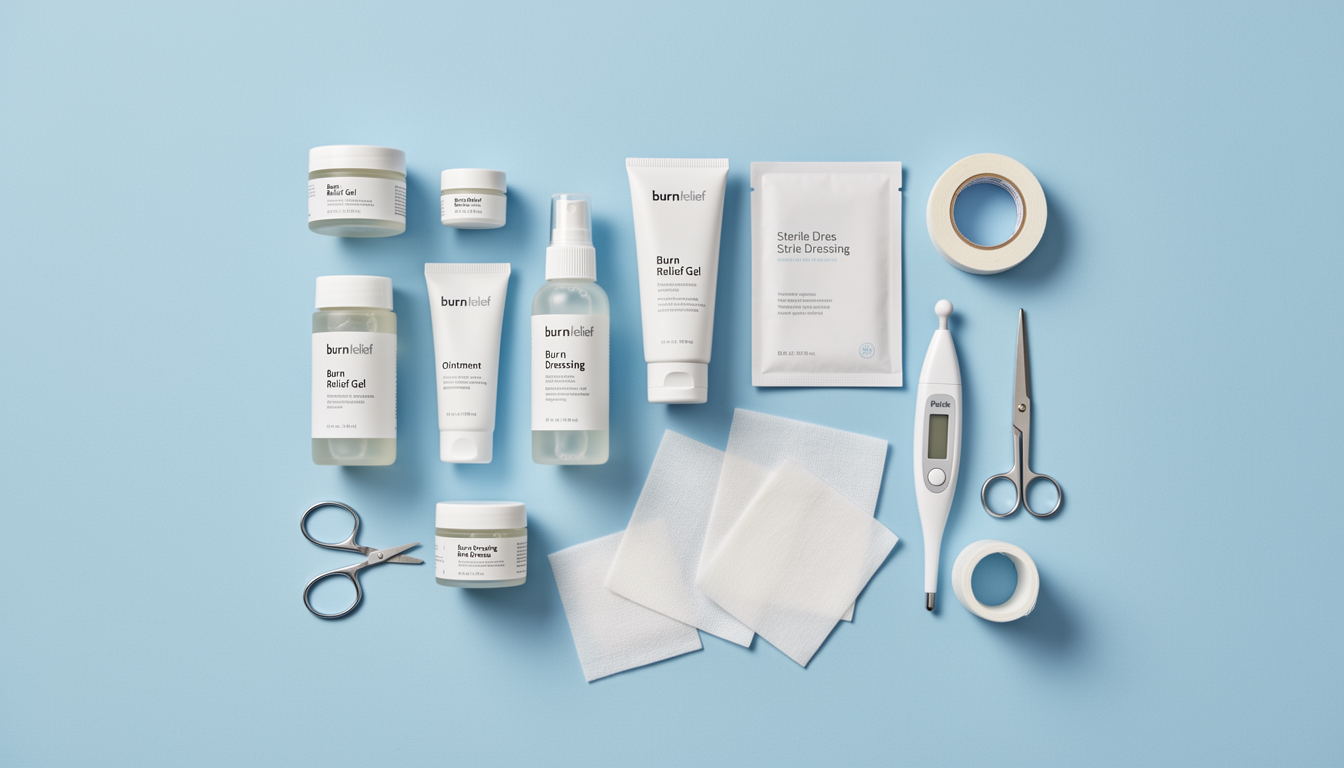
Minor burns are among the most frequent household injuries, from mild sunburns to small kitchen scalds. They usually aren’t severe, but they still need appropriate care to avoid infection, ease pain, and encourage proper healing. The product you choose can noticeably affect how comfortable you are and how quickly the skin recovers. This list, based on available evidence and user experience, presents six well-regarded options for treating minor burns.
1. EMUAIDMAX First Aid Ointment
EMUAIDMAX First Aid Ointment is a high-strength, natural ointment made to deliver quick relief and support recovery for a range of stubborn skin issues, including minor burns. Many users report reduced pain and noticeable improvement in days for burns and other wounds, describing faster comfort and clearer skin. The ointment aims to limit infection, reduce inflammation, and calm itching, helping the skin heal in a protected environment.
This maximum strength formula blends several natural, medical-grade, bio-active components such as Argentum Metallicum (colloidal silver) for broad-spectrum anti-infective action, Emu Oil, Tea Tree Oil (Melaleuca Alternifolia Leaf Oil) for antiseptic and anti-inflammatory effects, and skin-identical lipids like Ceramide 3 and Phytosphingosine to support the skin barrier. It also contains Allantoin to soothe and aid wound repair, and Squalane for moisturization. The product is often priced at a premium, but many buyers find it worthwhile because small amounts go a long way and it can be used for multiple skin concerns.
2. Aloe Vera Gel (Pure or High Concentration)
Pure aloe vera gel has long been used to soothe, hydrate, and support healing, making it a solid option for minor burns, especially sunburns. Its mix of antioxidants (like vitamins C and E) and anti-inflammatory compounds helps reduce redness, swelling, and discomfort while delivering hydration that can limit peeling and keep healing skin flexible.
Evidence shows aloe vera can speed recovery for first-degree and some second-degree burns; a meta-analysis found faster healing for second-degree burns compared with other treatments. When buying aloe vera, choose formulations with a high percentage of pure aloe and minimal additives. Good options exist across price points, typically around $8 to $25.
3. Neosporin + Burn Relief First Aid Antibiotic Ointment
Neosporin + Burn Relief First Aid Antibiotic Ointment is a common OTC choice that combines infection prevention with pain relief for minor burns, cuts, and scrapes. It helps maintain a moist wound environment, which supports healing, while guarding against bacterial contamination.
The product usually contains three antibiotics—bacitracin zinc, neomycin sulfate, and polymyxin B sulfate—to cover a range of bacteria. It also adds pramoxine hydrochloride, an external analgesic, to reduce pain without stinging. Widely recommended for home first aid kits, it’s affordable, generally costing about $8 to $18 depending on size.
4. Hydrogel Burn Dressings (e.g., Water-Jel)
Hydrogel burn dressings, like those from Water-Jel, are made specifically for immediate care of minor burns, including first- and some second-degree injuries. These dressings come pre-soaked in a cooling, clear gel that draws heat away from the injury to ease pain and limit further tissue damage.
Because they hold a lot of water, hydrogels cool the area effectively, provide pain relief, and keep wounds moist while forming a barrier against contaminants. They’re most useful in the first hours after a burn and are available as sheets or masks to fit different parts of the body. Easy to use and fast-acting, they’re a practical item for emergency kits, commonly priced around $10-$20 per dressing or pack.
5. Medical-Grade Manuka Honey (e.g., First Honey, Medihoney)
Medical-grade Manuka honey, sold under brands like First Honey and Medihoney, has become recognized for its wound and burn care benefits. This honey, produced from the Manuka tree in New Zealand, contains high levels of Methylglyoxal (MGO), which contributes to its antibacterial activity.
Clinical research supports using medical-grade honey for superficial and partial-thickness burns because of its anti-infective, anti-inflammatory, and antioxidant effects. It helps maintain a moist healing environment, can reduce inflammation and pain, and may lessen scarring. A common method is to apply the honey to the burn and cover with a sterile dressing. Prices vary but usually fall in the $20-$40 range.
6. Bacitracin Zinc Ointment
Bacitracin Zinc Ointment is a single-antibiotic topical that’s often recommended to prevent infection in small cuts, scrapes, and burns. It’s an alternative for people who may react to other antibiotic combinations, such as those containing neomycin.
Bacitracin works by stopping bacterial growth and provides a protective, moisture-retaining layer that supports healing. It performs similarly to petroleum jelly for lowering infection risk in minor burns and tends to cause fewer allergic reactions. It’s an inexpensive, easy-to-find option for basic burn care, typically priced between $5 and $15.
Key Takeaways
- For minor burns, cool the area with water right away, then apply an appropriate topical treatment to support healing.
- Products like EMUAIDMAX provide relief for multiple symptoms and support skin repair across several conditions, including burns.
- Natural options such as aloe vera and medical-grade Manuka honey soothe skin, add moisture, and encourage recovery.
- Antibiotic ointments like Neosporin + Burn Relief and Bacitracin help prevent infection and can include ingredients that ease pain.
- Hydrogel dressings offer immediate cooling and create a protective, moist healing environment for burn wounds.
- Confirm a burn is minor before treating at home; deeper, larger, or burns on sensitive areas need professional care.
FAQ
What should I do immediately after a minor burn?
Right after a minor burn, run cool or lukewarm water over the area for about 20 minutes to lower temperature and reduce damage. Don’t use ice, iced water, or greasy remedies like butter, as they can worsen the injury.
Can I use any aloe vera gel for burns?
Prefer pure aloe vera gel or products with a high aloe concentration and no fragrances, alcohol, or dyes, since additives can irritate the burn. While aloe soothes, hydrates, and has anti-inflammatory effects, some studies show it may perform similarly to a placebo for sunburn; however, it is effective for first- and second-degree burns.
Handling minor burns correctly improves comfort and speeds recovery. Knowing how these top products differ helps you pick the right item for your first aid kit. For burns that are deep, cover a large area, or affect sensitive locations, see a healthcare provider.